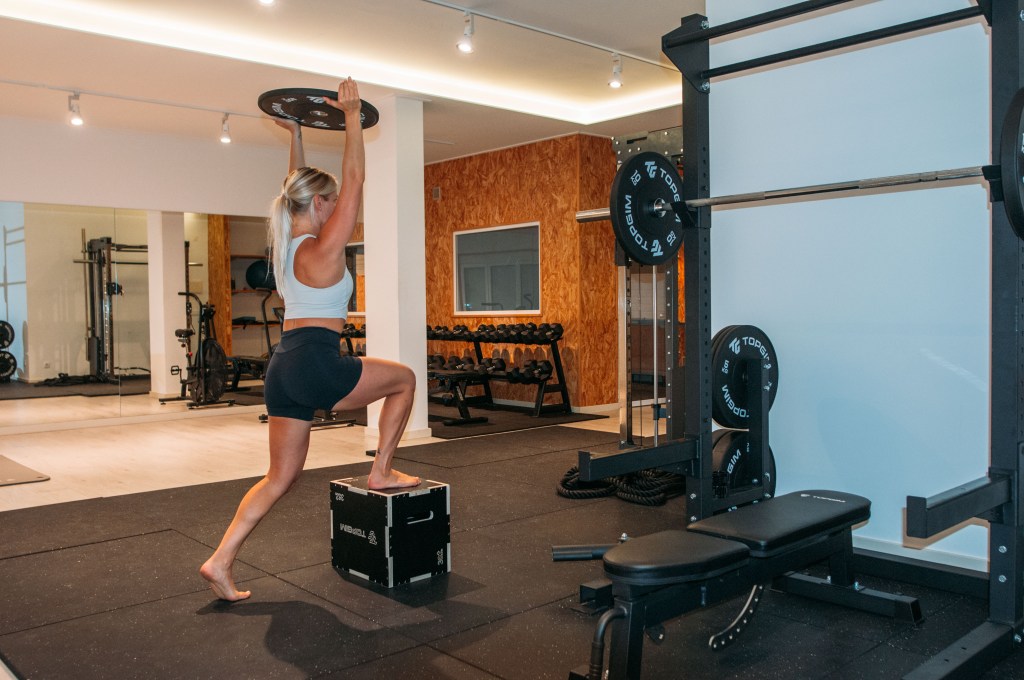
Physical exercise is important because it keeps you healthy, capable, and functional.
Not just lean. Not just fit-looking. Not just better at a sport.
Health is the base layer. If that’s shaky, everything else sits on sand.
Regular physical activity is strongly linked to lower risk of cardiovascular disease, type 2 diabetes, certain cancers, depression, anxiety, chronic pain, and early death. It improves energy, sleep, cognitive function, and quality of life. This isn’t gym culture opinion — this is population-level data.
That’s why the World Health Organization treats physical activity as a public health priority, not a hobby.
What the World Health Organization (WHO) actually recommends (per week)
Adults (18–64 years)
- 150–300 minutes of moderate-intensity aerobic activity
or - 75–150 minutes of vigorous-intensity aerobic activity
- Strength training at least 2 days per week, covering major muscle groups
That’s it. No burpees required.
Older adults (65+)
- Same recommendations as adults
- Plus: balance and functional training 3+ days per week to reduce fall risk
Strength and balance become non-negotiable here.
Children and adolescents (5–17 years)
- At least 60 minutes per day of moderate to vigorous activity
- Include activities that strengthen muscle and bone at least 3 days per week
The part people mess up
The WHO does not say:
- lift as heavy as possible
- train to failure every session
- do extreme challenges
- copy random workouts from the internet
Exercise needs to be planned, progressive, and adapted.
Not everyone needs the same volume.
Not everyone should train the same way.
And “hard” is not the same as “effective”.
Well-designed training:
- matches the person’s goals and health status
- builds capacity gradually
- manages fatigue and recovery
- fits real life, not fantasy schedules
Exercise isn’t about destroying yourself to feel accomplished.
It’s about building a body that can support and maximize life — today, next year, and in 20 years.

The Real Benefits of Exercise (and Why They Happen)
Strength that actually transfers to real life
Benefit: you feel capable. Lifting groceries, paddling harder, moving furniture, playing sports, or just getting through long days without feeling wrecked.
Why it happens: strength training improves how your nervous system coordinates movement and produces force. Early on, you get stronger mostly by learning to use what you already have (better motor unit recruitment and timing). Over time, you also build muscle tissue, which increases your physical “buffer.” Stronger muscles mean joints are more stable, movements are more controlled, and everyday tasks demand a smaller percentage of your max capacity.
Stronger bones, tendons, and connective tissue
Benefit: fewer injuries, better tolerance to load, and more confidence moving your body.
Why it happens: bones and connective tissues respond to mechanical stress. When you load them progressively, the body increases bone mineral density and improves tendon stiffness and strength. This makes force transfer more efficient and reduces injury risk. In simple terms: tissues adapt to what they’re exposed to — avoid load and they weaken; apply smart load and they get tougher.
Better cardiovascular capacity and endurance
Benefit: you can do more work with less fatigue — in training, sports, and daily life.
Why it happens: aerobic training improves heart function (higher stroke volume), vascular health, and oxygen delivery. At the muscle level, it increases mitochondrial density and capillarization, which improves energy production. The result is a lower cost of effort: the same activity feels easier because your system is more efficient.
Healthier metabolism and energy regulation
Benefit: more stable energy, better blood sugar control, and easier body composition management.
Why it happens: muscle is metabolically active tissue. Training increases insulin sensitivity, meaning your body handles carbohydrates better and stores less energy as fat. Resistance training also helps preserve lean mass during calorie deficits and ageing, which keeps your metabolic system functional instead of fragile.
Less pain and better movement quality
Benefit: fewer aches, more freedom of movement, and better posture under load.
Why it happens: structured training improves strength in key movement patterns, increases tissue tolerance, and enhances motor control. Many chronic pain issues are not due to structural damage but to low capacity, poor movement options, and stress overload. Training raises the ceiling of what your body can tolerate — physically and neurologically.
Better mental health and nervous system regulation
Benefit: improved mood, reduced anxiety, better focus, and more emotional resilience.
Why it happens: exercise influences neurotransmitters and hormones linked to mood and stress regulation. It also improves sleep quality and reduces systemic inflammation, both of which strongly affect mental health. Training acts as a controlled stressor that teaches your nervous system to handle challenges better instead of constantly staying in fight-or-flight.
Ageing with capacity and independence
Benefit: staying autonomous, active, and less vulnerable as you get older.
Why it happens: strength, balance, and aerobic fitness are key predictors of longevity and quality of life. Training slows age-related declines in muscle mass, bone density, coordination, and cardiovascular function. This doesn’t just extend lifespan — it preserves function, which is what actually matters.
The takeaway
Physical exercise matters because it keeps you healthy, capable, and resilient.
Not just now. Not just for summer. But for the long run.
When training is well planned, progressive, and adapted to the person, it builds capacity: strength, endurance, movement quality, mental resilience, and independence with age. That’s what the science supports. That’s what the WHO recommends. And that’s what actually works.
When training is random, excessive, or driven by trends, it usually does the opposite — it burns people out, breaks them down, or makes them quit.
Exercise isn’t about punishment.
It’s about building a body that can handle life — today, next year, and decades from now.
That’s where I come in.
I help people train with structure, intention, and context. I guide the process so exercise supports your health, your goals, and your lifestyle — instead of fighting against them. No hype. No random chaos. Just smart, evidence-based training, adjusted to real humans with real lives.
If you want to get healthier and fit for life, I’ll help you get there — and stay there.
 Afonso Tornelli